
Heavy Metal Contamination in the Nayanjholi Khal-Ghosbag community, Bangladesh - 2026
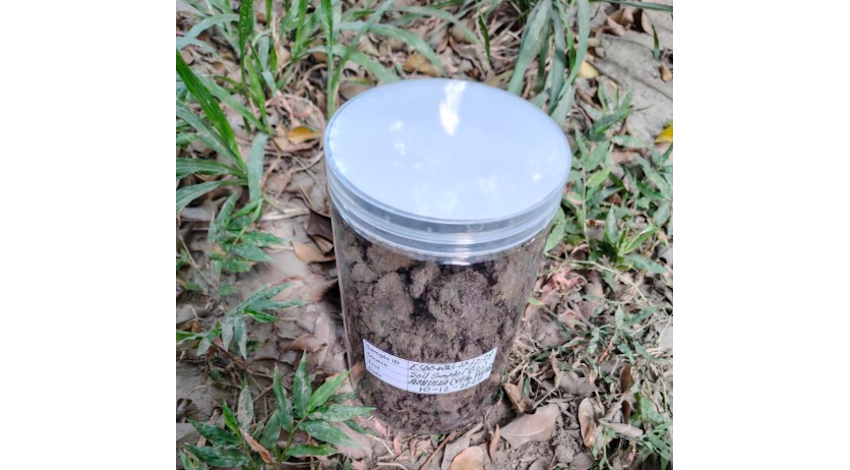
Nayanjholi Khal-Ghosbag is located in Ashulia, Savar, Dhaka, Bangladesh, a major industrial and suburban area known for its garment factories. Lead contamination was sampled and detected in soil on crop, vegetable, and mustard fields. These findings indicate substantial lead contamination in the tested samples, posing potential risks to human health. The detected lead level (114.64 ppm) in the sample is alarmingly high compared to the recommended safe limits for agricultural soils: 0.1 ppm for lead. These values exceed the thresholds by more than 1,100 times for lead, indicating severe contamination. Lead is highly toxic—it can cause serious neurological and developmental effects, especially in children. Its persistence in soil also poses long-term risks to food safety and environmental health. These findings highlight the urgent need for soil remediation, stricter regulation of pollutant sources, and sustained monitoring to prevent further harm to ecosystems and human health. This pollutant is non-degradable and can accumulate in soil and sediments over time. This build-up can disrupt soil microbial communities, reducing soil fertility and interfering with natural nutrient cycling. When it enters nearby waterways, it can also be toxic to aquatic life and may bioaccumulate in organisms, leading to biomagnification through the food chain and increasing risks for ecosystems and human health. This hazardous substance is linked to a wide range of serious long-term health impacts. It can damage the kidneys and contribute to bone-related effects, as lead can accumulate in the body over time. The International Agency for Research on Cancer (IARC) has classified inorganic lead compounds as Group 2A (“probably carcinogenic to humans”), based on limited evidence in humans and sufficient evidence in experimental animals. Studies have suggested associations with increased risks of cancers such as stomach, lung, and bladder cancer. Lead is also a severe neurotoxin, posing particular risks to children by lowering IQ and disrupting brain development. Prolonged exposure can contribute to anemia, high blood pressure, renal impairment, and reproductive toxicity, further increasing the health burden for exposed communities. Communities in Nayanjholi Khal–Ghosbag area are surrounded by a number of garment and textile facilities, several of which are linked to international fashion brands and sustainability initiatives and are listed in the Open Supply Hub (OSH). Several others were not included in the Open Supply Hub, indicating gaps in transparency and public supply chain disclosure.
Basic Information
Case ID: 2026-005
Affected Country: Bangladesh
Date of occurrence: 2025-06-01
Ecological Sector Risks concerned:
- Soil contamination
- Food contamination
- Chemicals of concern (as defined in UNEP Chemicals in Products Programme) (use or exposure or emission)
- Health risks
Community Details
Name of community:
Nayanjholi Khal-Ghosbag
District of community:
Ashulia
Bangladesh
Known effects on communities:
Negative effects on health and environment, caused by chemical pollution are well documented as described above.
Workers movement
Business Relations
Follow up
Known Reaction by Buyer(s):
On April 13, 2026, a company that operates in the area where samples have been taken wrote to the project team stating that they are Oekotex 100 certified and therefore cannot be associated with heavy metal pollution in the area.
Sources
Name of reporting organisation: Health and Environment Justice Support and ESDO
Source of information about the case:
Contributor: HEJ Support
- Last updated on .